The Ultimate Guide to Sustainable Hardscaping Solutions Apr 02, 2026
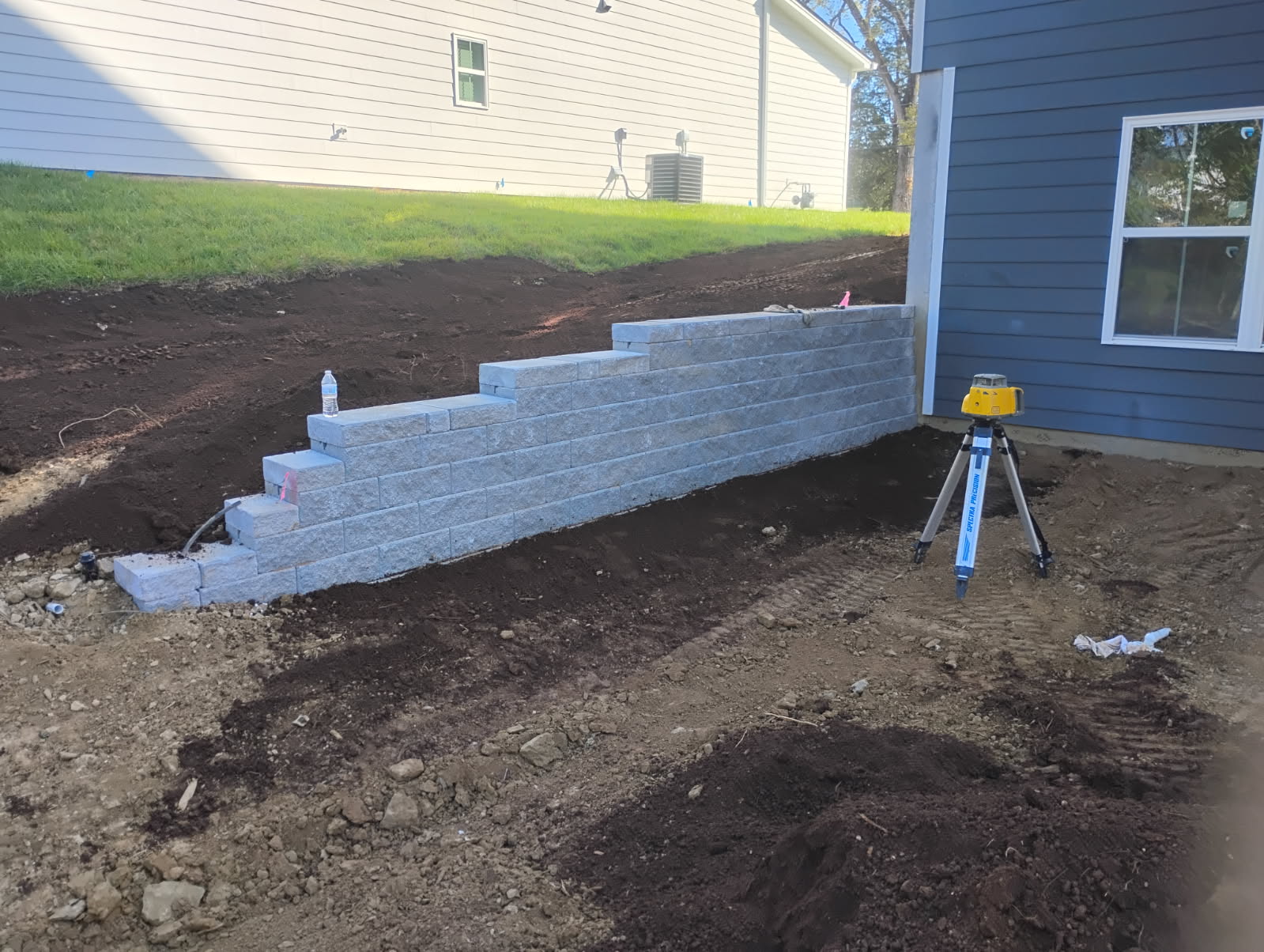
Sustainable hardscaping involves the use of environmentally conscious materials and techniques to create outdoor spaces. This approach not only minimizes environmental impact but also maximizes the functionality and aesthetic appeal of your property. Whether you’re considering a new patio, walkway, or retaining wall, using sustainable methods can significantly enhance the longevity and ecological footprint of your hardscaping projects.
One of the first steps in sustainable hardscaping is selecting the right materials. Opt for locally sourced materials such as stone or reclaimed bricks, which greatly reduce transportation emissions and support local economies. Additionally, consider using permeable pavers. These allow water to seep through the ground, reducing runoff and improving local water quality. Permeable surfaces are particularly beneficial in areas prone to heavy rainfall, as they help prevent soil erosion and manage stormwater efficiently.
Incorporating energy-efficient lighting is another smart way to enhance the sustainability of your hardscaped areas. LED lights use significantly less energy than traditional lighting options and have a longer lifespan, reducing waste. To optimize energy use, install solar-powered lights. These harness energy from the sun during the day to illuminate your space at night, resulting in little to no utility costs.
Water conservation is crucial in sustainable landscaping. By creating hardscape features that direct water towards garden beds and away from storm drains, you can make the most of every drop. Moreover, installing rainwater harvesting systems or rain gardens can utilize natural precipitation effectively. These systems reduce dependency on municipal water and help maintain your landscape during dry spells, providing a consistent water source for plants.
A key component of sustainable hardscaping is plant selection. Native and drought-resistant plants are superb choices for accompanying hardscape features. These plants require less water and maintenance, making them perfect companions in a environmentally conscious design. Their ability to thrive with minimal human intervention also creates a habitat for local wildlife, promoting biodiversity.
Maintenance also plays a pivotal role in the sustainability of your landscape. By choosing low-maintenance hardscaping options, you reduce the need for frequent repairs and replacements, saving resources and reducing waste. Sealants that protect surfaces from weather extremes can extend the life of your features, while composting fallen leaves and plant clippings can enrich your garden without chemical fertilizers.
In conclusion, sustainable hardscaping is about making thoughtful choices that balance environmental stewardship with functional outdoor living spaces. Whether it’s through the careful selection of materials, energy-efficient lighting, or water conservation practices, there are myriad ways to ensure your hardscaping efforts are environmentally responsible. For customers of Harris Lawn N Landscape, embracing these approaches not only protects natural resources but also creates beautiful, durable, and functionally enhanced outdoor spaces. By investing in sustainable practices, you are not just enhancing your home, but also contributing positively to the planet, ensuring that your outdoor paradise is both dazzling and sustainable for future generations.
/filters:no_upscale()/filters:format(webp)/media/31362572-b563-40ec-b69c-b1357d7a52fd.jpeg)